
As I entered my final trimester of my third pregnancy I started looking more into my diet and how it may be contributing to some of my prenatal discomforts and symptoms, such as reflux/heart burn, bloating, fatigue, brain fog, irritability… I could go on.
Following a lot of natural health social media accounts and other crunchy moms I saw a lot of content posted about what super foods to eat during pregnancy to supplement or replace a prenatal. Posts shared about gut health and how a mom’s microbiome is passed onto baby and how certain foods are important to consume during certain times of your pregnancy and soo much more. Well let me tell you there is a ton of information out there and I wanted to simplify it a bit for other expecting moms and provide a list of my Top 5 recommendations, resources and products for optimizing your nutrition while growing a tiny human.
# 1 Prioritize Real Food
A Book I picked up during this pregnancy is Nina Planck’s Real Food: What to Eat and Why. It really focusses on nutrient dense ‘real foods’, promotion of traditional, old-fashioned foods, and especially of long-revered animal fats such as butter and tallow/lard and lots of fruits and vegetables. She does note the importance of superiority of fully ripe, locally grown, pesticide-free produce. But says that if your fridge is not full of produce you wont be as likely to consume it. So stock up!
As suggested in Nina’s book, I try to always include local, grass fed meats and organ meets. Organic produce, preferrably that which is in season locally or grown by myself. Organic frozen fruits and veggies are always good to stock the freezer with as well, when i was battling 1st trimester nausea i would often reach for a small bowl of frozen blueberries as a satisfying snack, something about cold food always helped relive the nausea.
#2 Focus on key vitamins and minerals: folate, calcium, iron and choline
There are other nutrients to look at, but if you focus on these 4, the others aren’t hard to get in.
| Nutrient | Rationale | Tips | Dietary Sources |
|---|---|---|---|
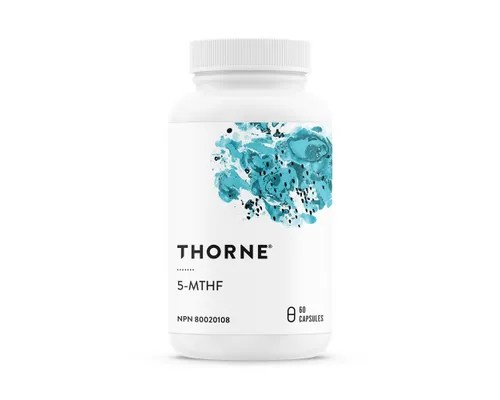
| Folate 800 mcg | Folate helps the body make red blood cells, DNA and other genetic material. It also prevents neural tube birth defects. | Look for a prenatal with the activated form (L-methylfolate or 5-MTHF). I recommend the Thorne 5-MTHF! | Legumes Broccoli Orange juice |
| Calcium 1,300 mg | Mom’s bones will break down to provide calcium for the fetus if inadequate calcium is consumed. | Include at least three dietary sources of calcium daily to help meet these needs. | Dairy or fortified nondairy alternatives (milk, cheese, yogurt) Cooked collard greens Tofu |
| Iron 27 mg | Iron deficiency anemia is a concern during pregnancy as maternal and fetal needs increase during pregnancy. | Combine iron- containing foods with vitamin C-foods, like citrus fruits, to enhance iron absorption. | Beef and pork Eggs Liver Soybeans Legumes Spinach |
| Choline 450 mg | Choline is required for fetal brain development and placental function. | Choline is not often found in prenatals, so an additional supplement may be needed. | Eggs (yolk) Liver Cruciferous vegetables Legumes |
Find THORNE supplements on amazon. LINK HERE
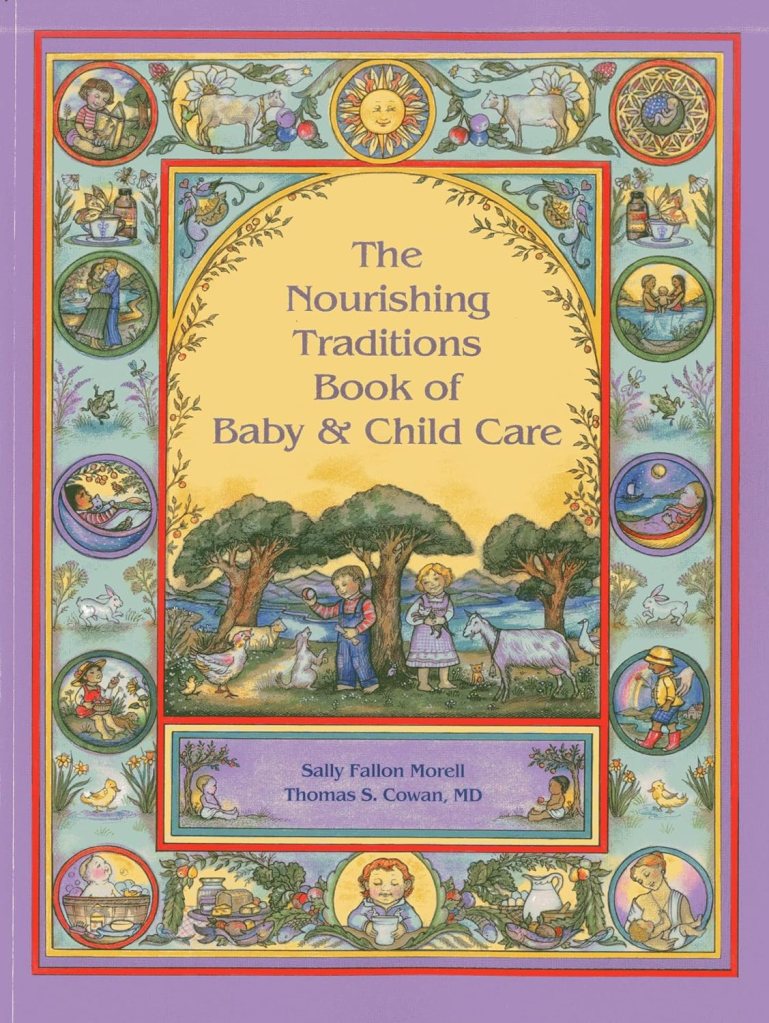
#3 The Nourishing Traditions Book of Baby and Child Care
This book is an old one but a good one. Similar to my number 1 pick above, this book also focuses on traditional whole foods. It is both a cookbook and a wealth of information about nutrition. It teaches about ancient preservation and fermentation process and the importance of good old fashioned animal fats and organ meats to nourish our bodies and for providing the best start for gut health and overall health for our babies. You can find this book here on Amazon.
#4 Get in your omega-3 fatty acids
DHA and EPA are two types of omega-3 fats that are essential for the growth and development of an infant’s brain. Pregnant women need at least 200-300 mg DHA per day, with studies showing benefits of up to 2,200 mg DHA per day. The best way to meet these recommendations is to eat up to 12 oz seafood per week (focusing on salmon, herring, shrimp, white tuna and tilapia). If that’s not realistic, talk to a registered dietitian or holistic nutritionist about a supplement. I would recommend Nordic Naturals Arctic Cod Liver Oil, for it superior quality and sourcing.
DHA and EPA study source: Omega-3 Fatty Acids and Pregnancy – PMC (nih.gov)
# 5 Happy Juice!
My prenatal/post partum Must have supplement
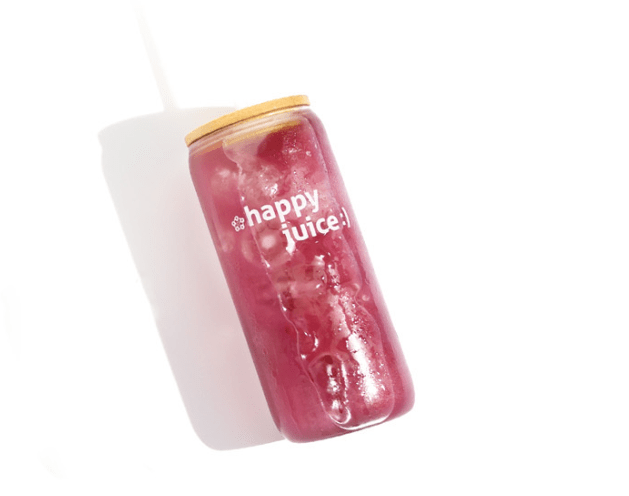
I came across this supplement in my third pregnancy. I saw a fellow holistic, natural minded momma share about this gut/brain balancing drink she was taking to help with some gut issues both her and her newborn were having. It was not like she was selling some MLM product and her testimony really caught my eye. Being that I like to learn and know everything about everything I started researching it and was very pleased with the science and research not to mention the sourcing of the ingredients. Its a 3 product drink that has been termed the name ‘Happy Juice’ because of its ability to help balance and support our happy hormones. Not to mention its amazing effects on the microbiome (our second brain). It was life changing for me in my 3rd trimester, chasing 2 little boys around, working full time in health care and just feeling other overwhelm of motherhood and life not to mention some depression and anxiety I had never experience before. I would recommend this product to anybody but especially to my mama friends! Click this link for my 10$ promo code for HAPPY JUICE or reach out to me through my website or social media for more details!
Check out the benefits of this power house supplement here PhasedBenefits_Flyer.pdf (windows.net)

 Mama Marissa Wellness
Leave a reply to Karri Cancel reply